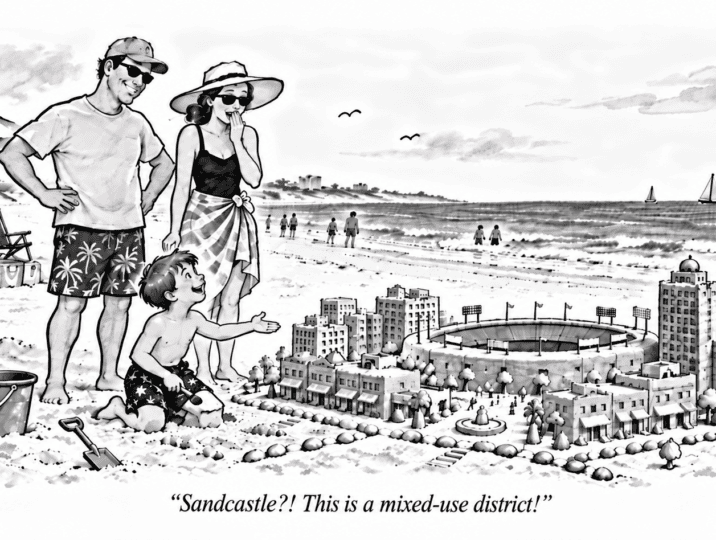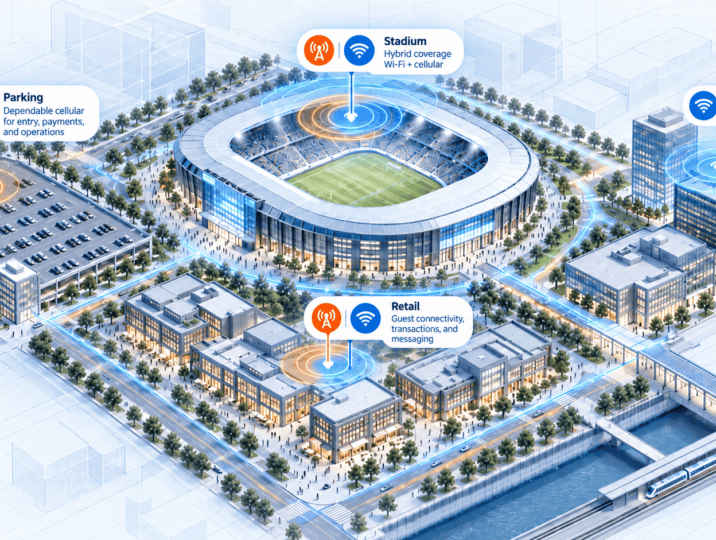


Sports-anchored mixed-use development is changing the economics of venue ownership. Andrew believes it will also change how owners think about connectivity. For much of the last two decades, the wireless challenge in sports was relatively contained. Build enough capacity inside the venue to serve tens of thousands of fans, support increasingly mobile operations and keep pace with the steady growth...
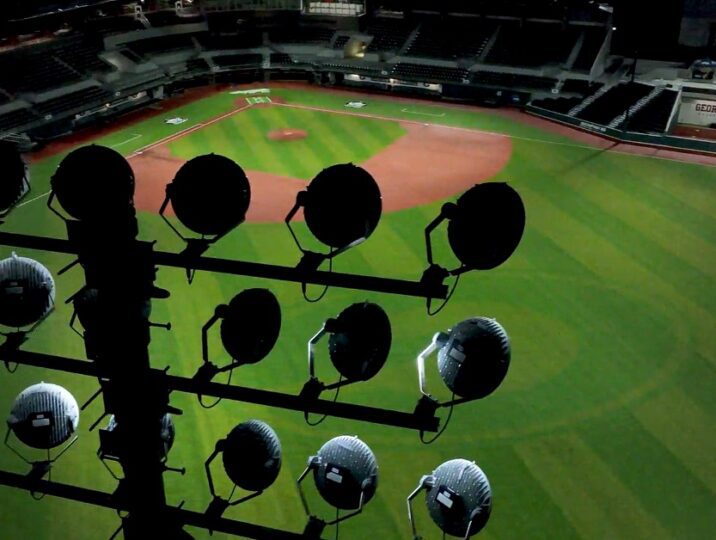
A widespread deployment of new lighting technology at University of Georgia sports venues has brought more pizzazz along with numerous operational and business benefits, according to school executives.While flashing lights and changing colors are the most visible features of the new lighting fixtures, the ability to remotely or automatically manage and orchestrate lighting effects has allowed Georgia to increase revenues...
The movie producers knew the Miracle story would sell. A group of American college hockey players defeats the most dominant team in the world. Mike Eruzione scores. Jim Craig survives the final Soviet push. Al Michaels asks the question that would become inseparable from the moment: Do you believe in miracles? For a generation of sports executives, the answer comes...
For decades, the concert merchandise table has worked roughly the same way. A fan walks into a venue already committed to buying. The hoodie, tour shirt, poster, hat, or limited-run item is part of the event. That purchase serves as proof of attendance, a memory, a signal to other fans, and in some cases, the only physical object that leaves...
A new Stadium Tech Report technical brief shows why channel reuse may be the key to increasing wireless capacity in the seating bowl. For a stadium owner, the wireless goal is pretty simple: make sure tens of thousands of phones work when the building is full. That requires capacity. Much of the progress in wireless capacity has come packaged as...