
In a world dominated by Dante, can the standards-based technology known as Audio Video Bridging (AVB) provide a viable market alternative for stadium audio-over-IP networks?
So far, the verdict is incomplete. Although AVB is a viable technology and has been used in large stadium audio networks, it lacks the same level of industry support from third-party networks and audio hardware providers that Audinate’s Dante enjoys.
Even though AVB has some potential advantages over Dante, such as better network quality of service and royalty-free licensing, the question remains whether it can compete effectively. Its challenges, including higher switch costs and limited network interoperability, may prevent it from becoming a true rival to Dante’s dominance.
AVB: From early promise to ongoing struggle for adoption
AVB is an IEEE standard designed to ensure synchronization and reliable, high-priority delivery of audio and video over Ethernet. It was first published in 2011 by founding members of the Avnu Alliance, which included car manufacturers, Cisco, Intel, and the Harman Group.
One highlight of AVB’s technical features is its ability to allow network operators to reserve bandwidth for AV traffic, ensuring high quality service levels. It also has its own method of auto-discovery for networked devices, similar to one of the main features found in Dante. The ambitious goal for AVB, according to the Avnu Alliance, was “to promote and facilitate the rapid, widespread, and open industry adoption of standards-based networking for time-sensitive, highly reliable applications.”
The reality, however, is that the AVB effort stalled after launch, most likely due to the fact that it had no single company backing the technology. Meanwhile, Audinate, the company behind the Dante protocol, was busy building a wide network of industry product support while signing up multiple large-venue customers. In the early days of AVB, there were few compliant products released, and there was no way to assure one AVB product could connect to another.
In 2018, the Avnu Alliance announced the Milan initiative to solve the interoperability issues, providing guidelines for device requirements at both the network and the application layer to ensure compatibility between Milan/AVB devices. Even with this help, the ecosystem for Milan/AVB products remained a small fraction of what is available for Dante — even though AVB is a royalty-free technology, while Dante requires proprietary chips or software licenses for its use in products and networks.
In January of 2024, the Milan/AVB world got another push when leading acoustic product providers L-Acoustics and d&b audiotechnik announced an alliance “to jointly develop an innovative software platform designed to revolutionize the configuration and management of Milan/AVB networks.” In April of 2025, the two companies launched a focused website for the Milan Manager product to provide a single location for information and product downloads.
Though the list of available products that use the Milan/AVB technology is still a small fraction of what is available for Dante, the fact that AVB-compliant switches can now be purchased from leading vendors including Cisco and Extreme is a sign that there may be a brighter future ahead for Milan/AVB. Some observers, however, say that the technical limitations and lack of interoperability of Milan/AVB will keep it from ever being a widespread replacement or substitute for Dante.
Is AVB the right standard for future audio over IP?
From a technical perspective, AVB’s biggest drawback is its need for specialized product support at the switch and router level. Although more AVB-compliant products are now available, a full-stadium converged network would require every switch and router carrying AVB traffic to be compatible. That may be feasible in a new build, but for existing networks, replacing standard gear with more expensive AVB-compatible equipment would be a tough sell.
Because AVB is a Layer 2 protocol, it has compatibility limitations with AES67, which operates at Layer 3 and is designed for interoperability between audio-over-IP technologies. While the two can co-exist on the same network, AES67 connections may not fully benefit from AVB’s time-critical features. Compatibility can also vary depending on the products and management features available.
AVB does not generally work with stacked switches. This is because the proprietary backplane connections used for stacking often do not support the specialized hardware and protocols required for AVB operation. While AVB can be used in a converged network, it requires an AVB-compliant path through any switches or routers to assure the AVB traffic attributes are kept intact.
Finding customer wins at the high end
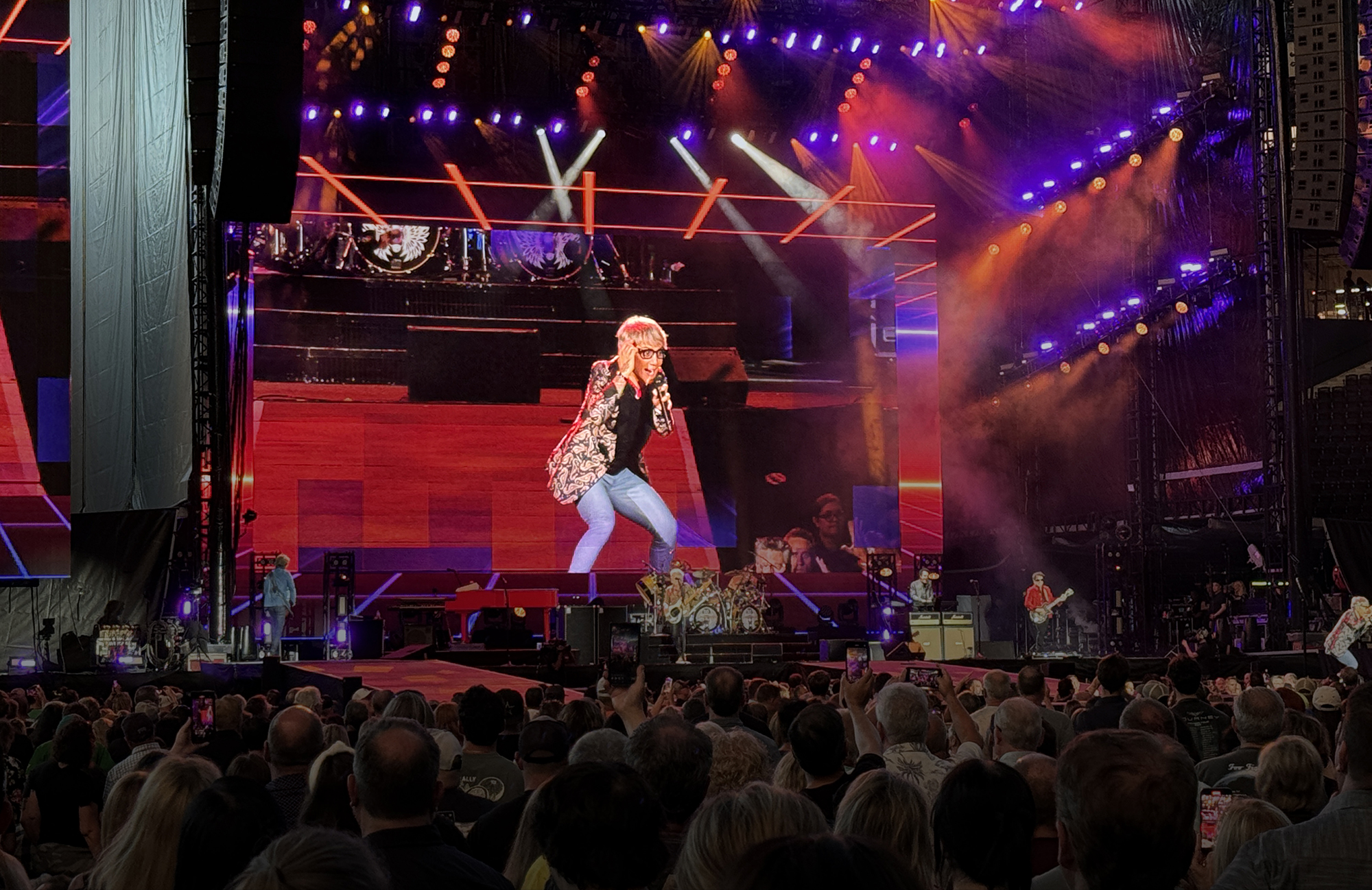
The guaranteed bandwidth reservation support, the automatic discovery features and the potential cost savings of AVB has apparently convinced several high-profile venues to choose that approach already. Several large touring acts are also using AVB for their base audio technology, making the AVB combination a seemingly viable choice for the deployments with the highest demands for audio performance.
Even as Dante continues to expand its universe — according to one leading audio consultancy, the Dante world added more compliant products in 2025 than all other technologies combined — there will always likely be customers who are interested in a standards-based approach. If some current standards efforts underway to expand AVB’s capability succeed, AVB might become a more viable alternative to Dante.