
The movie producers knew the Miracle story would sell.
A group of American college hockey players defeats the most dominant team in the world. Mike Eruzione scores. Jim Craig survives the final Soviet push. Al Michaels asks the question that would become inseparable from the moment: Do you believe in miracles?
For a generation of sports executives, the answer comes almost automatically. Many remember the game. Some watched it live. Everyone knows what happened. Few had considered at the story as a leadership lesson.
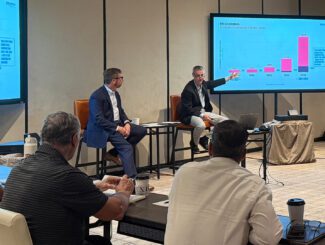
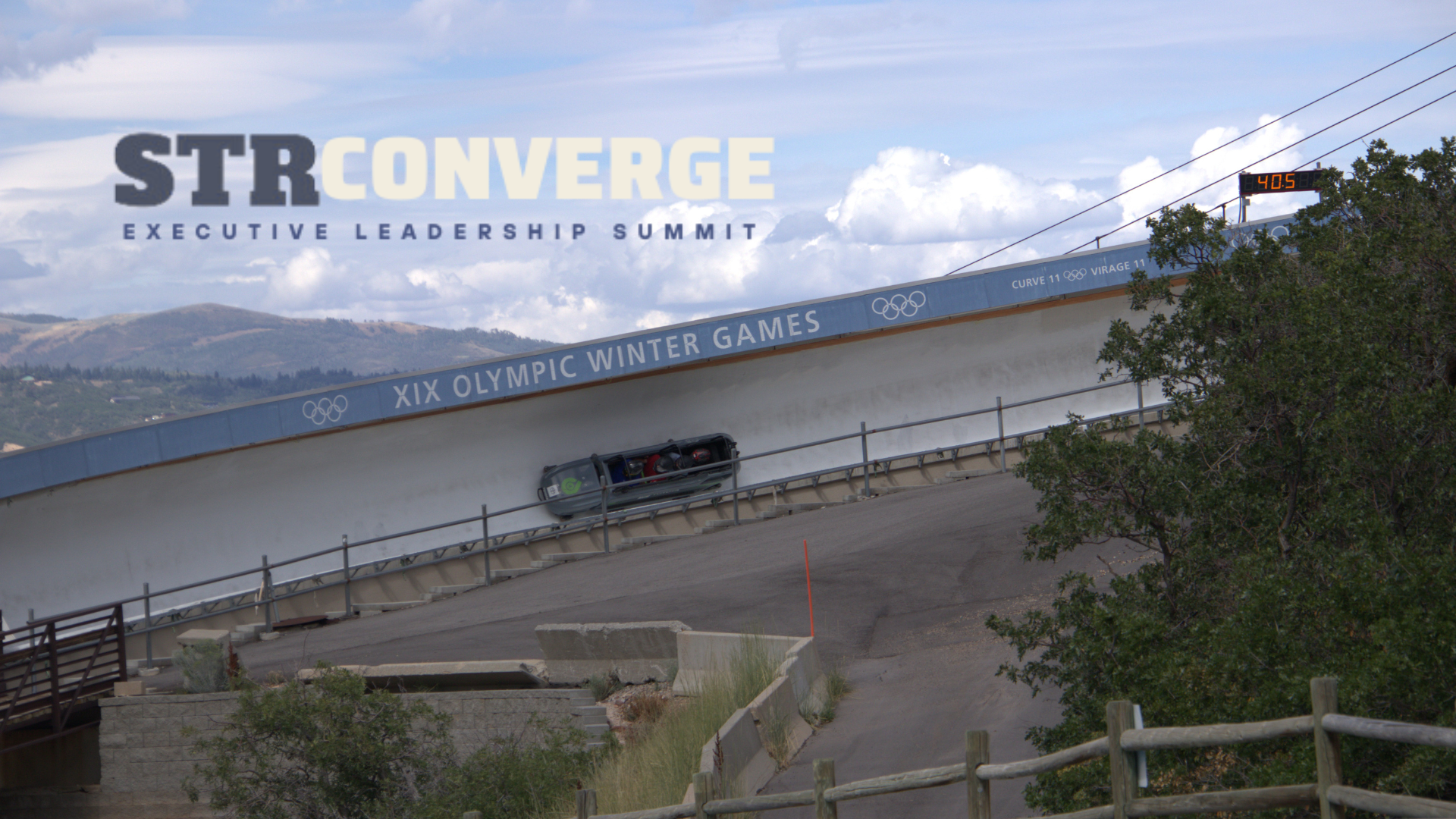
That was the premise placed before a small group of executives gathered recently in Park City for the fourth STR Converge Executive Leadership Summit.
Miracles make great movies because people are drawn to the improbable. Novelty captures attention, and a dramatic reversal is more dramatic than a long period of steady improvement. Business rewards the same instinct. New technologies, new revenue models and new fan experiences generate excitement because they suggest the possibility of a breakthrough.
Leaders responsible for new stadiums and districts face a harder obligation. First, they must build efficiently, controlling enormous capital programs and unforgiving schedules. Then they have to make those assets produce measurable economic results for 30 years as technologies change, operating costs accumulate, and the next new idea arrives.
Neither challenge can be considered separately from the other.
That is where the miraculous hockey story began to change. The United States won the game everyone remembers. The Soviet Union built the system that kept winning. Viewed across decades of Olympic competition, the American victory looks less like the beginning of a new order than an extraordinary interruption in a much longer pattern of Soviet dominance.
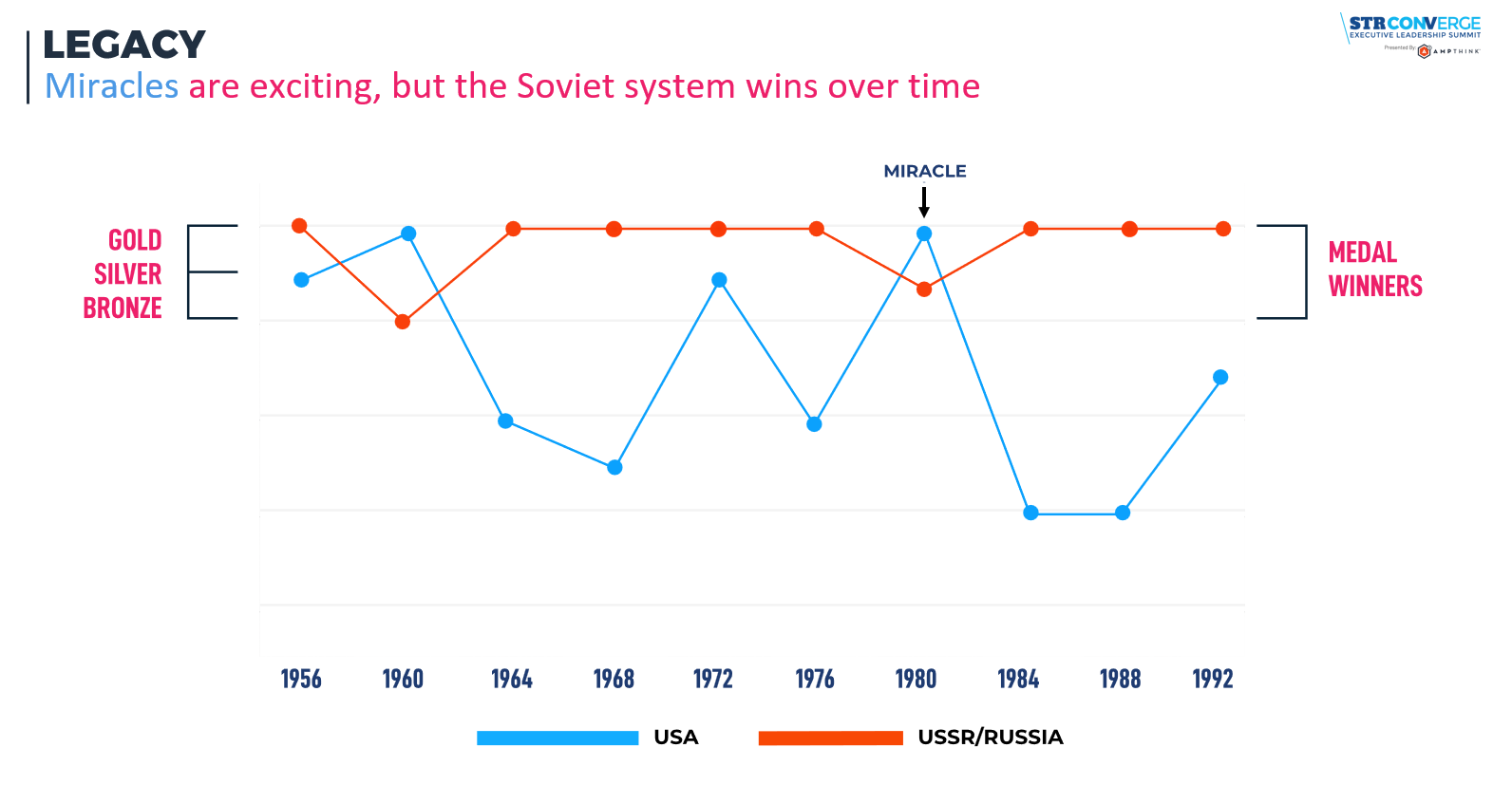
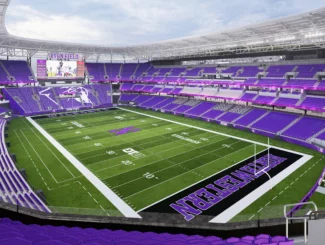
For the executives in Park City, that distinction became especially important as they make the billion-dollar construction decisions that will deterimine success over time. Sports is in the midst of a stadium and district-development boom. Owners are preparing to commit enormous capital to assets expected to create value for decades, while construction remains one of the least productive major industries in the economy.
Construction is a striking outlier. U.S. construction labor productivity is lower today than it was in 1968, even as every other major industrial sector has become more productive. And large construction projects routinely amplify the inefficiency: McKinsey found average cost overruns of at least 79 percent and schedule delays of 52 percent across more than 500 major capital projects.
For an executive preparing to spend hundreds of millions or billions of dollars, that is not an academic problem. It is the system in which the project will be built.
Construction is where capital expense hardens, schedules slip and early decisions about infrastructure and technology begin shaping operating costs years before anyone enters the building. Many sports executives will participate in only one project of this scale in an entire career. They are nevertheless expected to make decisions that will hold up for decades.
The problem becomes harder because everyone around the project sees a different version of success. Sponsorship wants inventory. Technology wants resilience. Operations wants simplicity. Finance wants discipline. Design and construction teams have schedules and budgets to protect.
All those priorities can be rational. The owner still must turn them into one coherent outcome.
That requires understanding the system rather than simply evaluating each new idea on its own merits.
Converge used the Miracle story to make that distinction visible, then explored other examples of systems that produced durable advantages over time. The lesson was not that innovation should be resisted. It was that leaders can see through the excitement surrounding an innovation long enough to understand how it fits into the larger economic system they are building.
That matters particularly in stadium technology.
The modern venue is continually presented with new ways to improve fan experience, collect data, create inventory and generate revenue. Some will produce significant value. Others will add capital expense, labor, maintenance and complexity that remain long after the initial excitement fades.
The owner must distinguish between them before the construction schedule makes the decision permanent.
The roundtable discussion went deeper from there, but not everything that happens at Converge is meant to leave the room. It was created to give leaders a place to examine difficult questions with people facing similar decisions, using real data and firsthand experience rather than relying entirely on the promises surrounding the next new thing.
The group at Converge is deliberately small because candor becomes harder as the audience grows. And we do far more than talk. In Park City, executives raced bobsleds, spent time in the mountains and enjoyed dinner together before considering questions involving money, risk and decisions that carry decades of consequences.
The hospitality and outdoor experiences are part of the mechanism. People tend to test assumptions more openly once they trust the people across the table.
Trust matters because seeing a better approach is only half the leadership challenge. The other half is creating alignment inside an organization whose departments may all be pursuing legitimate but competing outcomes.
Sometimes the perspective needed to do that comes from outside the organization.
Each Converge summit adds another small group of executives to a growing network of people who have examined similar problems and can call one another when the next consequential decision arises. They may not agree on every answer, but they increasingly share a way of asking the question.
The stakes are changing too.
The movie was set in a very different sports economy. In 1980, the Olympics had not yet become the commercial enterprise they would eventually be. Stadium development has undergone a similar transformation.
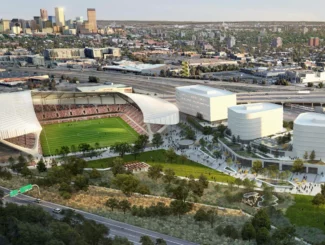
Today’s venues are larger economic platforms, surrounded increasingly by mixed-use districts and dependent on technology systems that represent substantial portions of construction budgets. The stadium construction market in the US is pegged around $14 billion annually. That’s just the Capex. The tech in those buildings will be refreshed repeatedly over a building’s life. One analysis presented at Converge projected nearly $10 billion in technology refresh spending across 144 venues over the next decade alone.
The cost of getting the system wrong compounds.
So does the value of getting it right.
Opening day will always attract attention. Fans and team executives get caught up in the emotion, and they should. New buildings, new technologies and new revenue ideas are part of what moves the industry forward.
The harder job begins when the attention moves on. Owners still have to operate what they built, absorb the cost of change and produce measurable returns for decades. At Converge we explore ways to tackle the full spectrum of challenges.
The next Converge summit is being planned for South Florida this winter. The setting will change, and so will the questions. The purpose remains more durable: helping leaders see clearly enough to make decisions that hold up long after the miracle has passed.